
How to Verify Residential Plot Documents Before Buying Property
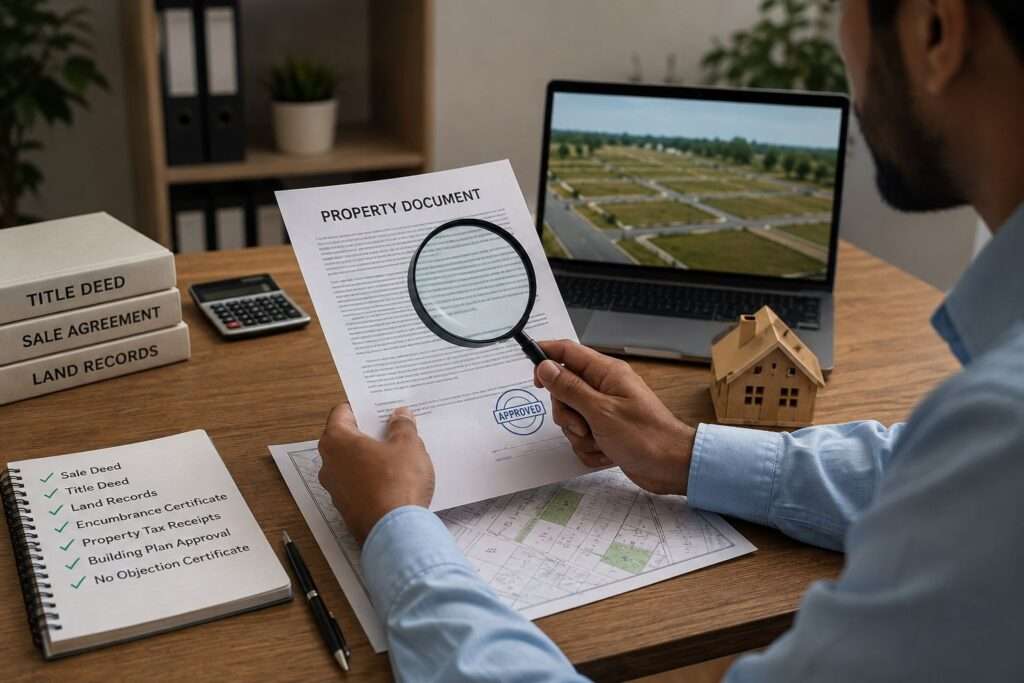
Buying a residential plot is one of the biggest financial decisions for most people. Whether you are purchasing land to build your dream home or investing in real estate for future returns, checking every legal document is extremely important. Many buyers get attracted by low prices, urgent offers, and attractive locations but ignore proper verification, which can lead to financial losses and long-term legal problems. To Verify Residential Plot Documents before making any payment is the safest way to protect your investment. Proper residential plot document verification helps you confirm ownership, check government approvals, identify legal issues, and ensure that the property you are buying is safe and legally valid. Property fraud cases often happen because buyers trust brokers, advertisements, or sellers without checking original documents. Fake ownership papers, disputed land, unauthorized layouts, and pending loans are some common problems buyers face. A proper document verification process can help you avoid these risks and make a confident investment decision. This complete guide explains how experts check residential plot documents before purchase and what every buyer should verify before signing any agreement. Why Document Verification Matters Before Buying a Residential Plot Before purchasing land, many buyers focus only on location, price, and future appreciation potential. While these factors are important, legal verification should always come first. A residential plot without proper documentation can create serious problems such as: A legally verified property gives buyers peace of mind because they know the land belongs to the correct owner and has all required approvals. The process of Verify Residential Plot Documents helps buyers answer important questions: Checking these details before purchase can save buyers from years of unnecessary legal complications. How to Verify Residential Plot Documents Before Purchase A professional property verification process involves checking multiple documents and government records. Below are the important steps every buyer should follow. 1. Check the Sale Deed and Ownership Documents The sale deed is one of the most important documents in any property transaction. It is a legally registered document that proves the transfer of ownership from the seller to the buyer. Before purchasing a residential plot, carefully verify: Seller Ownership Details Check whether the seller mentioned in the sale deed is the actual owner of the property. The name, address, and ownership details should match government records. If the seller is not the original owner, ask for proper ownership transfer documents such as: Registered Property Documents Always check whether previous transactions were legally registered. Unregistered agreements or informal documents may not provide complete ownership rights. A registered sale deed provides legal proof and protects buyers from future ownership disputes. Previous Ownership History Experts always check the ownership chain of the property. This means reviewing previous owners and understanding how the property was transferred over time. A clear ownership history reduces the chances of hidden disputes. 2. Verify Land Title and Ownership Records Title verification is a crucial part of land purchase verification. A clear title means the seller has complete legal rights over the property and there are no ownership conflicts. During title verification, buyers should check: A property with unclear ownership can create serious problems even after purchase. How to Check Plot Ownership To understand how to check plot ownership, buyers should verify official land records available through government departments. Important details to match include: Any mismatch between documents and government records should be investigated before proceeding. 3. Check Encumbrance Certificate (EC) An Encumbrance Certificate is one of the most important documents required before buying a plot. The EC provides information about financial and legal liabilities connected with the property. It helps buyers identify whether the land has: A property with pending liabilities can create problems for new buyers. Why Encumbrance Certificate Is Important The main purpose of an EC is to confirm that the property is free from financial burdens. For example, if the seller has taken a loan against the property and does not clear it before selling, the buyer may face future complications. Therefore, checking the EC should always be included in your property document checklist. 4. Verify Land Approval and Layout Permissions Not every residential plot available in the market is legally approved. Some properties are sold without proper permissions, which can create major problems later. Before buying a plot, verify: Buying unauthorized land can result in: Always prefer approved residential plots that have proper government permissions. 5. Check RERA Registration Before Buying a Plot The Real Estate Regulatory Authority (RERA) was introduced to bring transparency and accountability to the real estate sector. Before purchasing a residential plot, buyers should check whether the project or plotted development is registered under RERA (where applicable). RERA registration provides buyers with important information about the project, including: Before investing, buyers should verify the RERA registration details through the official RERA website of the respective state. Why RERA Verification Is Important Many property buyers face problems because they invest in projects without checking legal approvals. RERA helps reduce these risks by making developers provide accurate project information. Benefits of checking RERA registration include: However, buyers should remember that RERA verification should be combined with complete residential plot document verification because every legal aspect must be checked before purchase. 6. Verify Property Tax Receipts and Government Records Property tax records are another important part of the document verification process. Before purchasing a residential plot, check whether all property taxes have been paid by the current owner. Verify: Unpaid taxes can become a burden for the new owner after purchase. Government records also help confirm that the property details match the seller’s documents. A mismatch between tax records and ownership documents can indicate possible ownership issues that require further investigation. Complete Property Document Checklist Every Plot Buyer Needs Before buying any residential plot, use this property document checklist to verify all important papers. Document Why It Matters Sale Deed Confirms legal ownership transfer from seller to buyer Title Deed Verifies ownership rights and property title history Encumbrance Certificate Checks financial liabilities, loans, and legal claims