
Before Buying a Residential Plot in Loni, Check These 9 Things
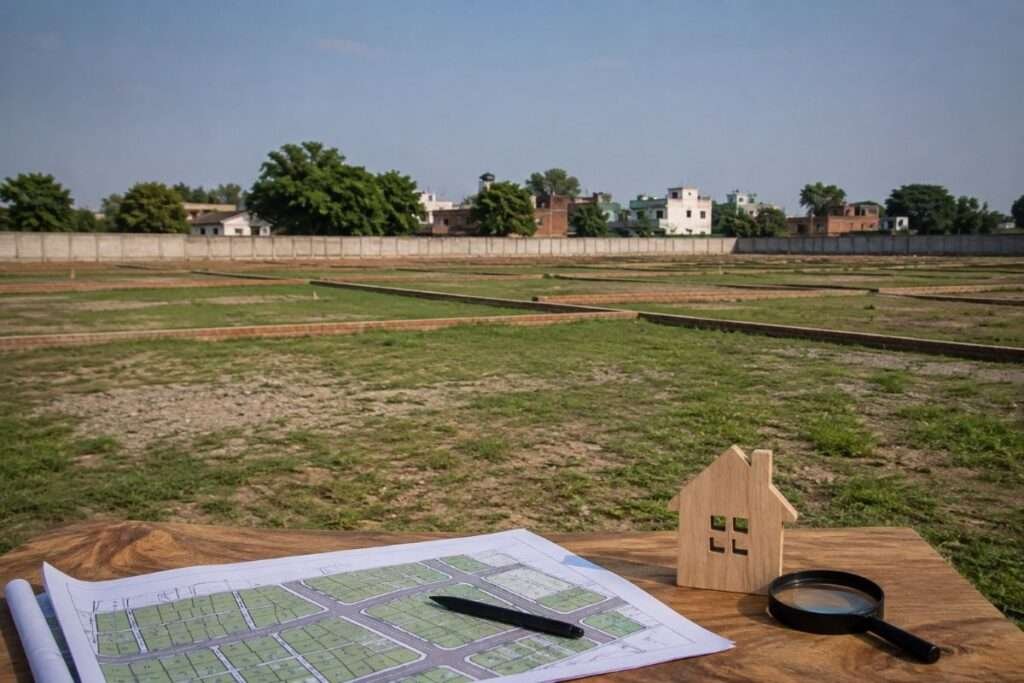
Buying land is a major financial decision. A plot may look attractive because of its price, location or surrounding development, but those factors alone do not tell you whether it is a safe purchase. If you are planning to buy a Residential Plot in Loni, it is important to look beyond the advertisement and investigate the property from legal, physical and practical angles. Many first-time buyers focus mainly on the price and location but forget to verify the documents, land-use status, boundaries and access to the property. Problems discovered after registration can be considerably more difficult and expensive to resolve. This guide explains nine important checks you should make before paying a token amount or committing to a plot. The goal is not simply to find a cheap plot for sale in Loni, but to identify a property that fits your intended use, budget and risk tolerance. What Should You Check Before Buying a Residential Plot in Loni? Before purchasing a residential plot, check these nine areas: Completing these checks can help you avoid mistakes that may not be obvious during an initial site visit. 1. Verify the Ownership and Property Title The first question should be simple: Does the person selling the plot actually have the legal authority to sell it? A low asking price or attractive location should never replace ownership verification. Ask to see the relevant ownership and title documents and compare the seller’s identity with the information contained in those records. You should also understand how the property has changed hands over time. Ownership problems can become serious when there are multiple owners, inheritance claims, unresolved transactions or disagreements between parties. A verbal statement such as “the property is clear” is not enough. What to Check If the seller is acting through a representative or power of attorney, additional verification may be necessary. Practical advice: Do not rely solely on the seller, broker or developer for legal verification. Have the relevant documents independently reviewed by a qualified property lawyer before making a final commitment. 2. Check Whether the Plot Has Proper Legal Documents Once ownership appears clear, review the documents associated with the property. The exact documents required can vary depending on the property’s location, ownership history, development status and applicable regulations. However, buyers should generally ask to review relevant records rather than relying on photocopies, verbal explanations or incomplete paperwork. Depending on the property, documents may include: The purpose is not simply to collect documents. You need to understand what those documents establish and whether the information is consistent across them. For example, the seller’s name, plot number, dimensions and property description should be carefully compared where applicable. If documents appear incomplete, inconsistent or difficult to understand, pause the transaction and obtain professional advice. Important: Document requirements can differ according to the property’s jurisdiction and legal status. Do not assume that one checklist applies identically to every plot. 3. Confirm the Land Use and Plot Approval Status A plot being advertised as “residential” does not automatically mean you should assume every type of construction is permitted. Before buying a Residential Plot in Loni, determine the applicable land-use classification and whether the property forms part of an approved layout, where required. You should also investigate whether any construction restrictions, development conditions or other applicable local rules could affect your plans. For example, a buyer may purchase land intending to construct a home, only to discover later that the property’s legal or development status requires additional approvals or limits the intended use. Questions to Ask Do not treat the words “approved plot” or “residential plot” in an advertisement as sufficient proof. Verify the status through appropriate official records or authorities and obtain professional advice when necessary. 4. Check the Exact Location and Accessibility A plot can look excellent on a map but feel very different when you actually visit it. Before deciding to buy a plot in Loni, visit the property personally. Ideally, inspect it more than once. Look at: Do not rely exclusively on brochures, online listings, photographs or videos. A property described as “near the main road” may still require travel through narrow or poorly maintained roads. Similarly, an access route shown in marketing material may not tell you everything about actual on-ground conditions. Site Visit Checklist During your visit, check: If possible, visit during both daytime and another practical time to understand how the area actually functions. 5. Measure the Plot and Verify Its Boundaries Never assume the advertised dimensions are automatically correct. Measurements may be described differently by sellers, brokers, advertisements and property documents. The physical plot should be checked against the relevant records. Confirm: Boundary issues can create significant problems later, particularly when neighboring properties are involved. If you are unsure about the measurement or boundaries, consider professional land measurement or survey assistance before completing the transaction. This is especially important when the plot appears irregular or when the boundaries are not clearly marked on site. 6. Check Basic Infrastructure Before Buying a Residential Plot in Loni A plot’s future usefulness depends not only on the land itself but also on the infrastructure around it. When comparing residential plots in Loni, distinguish between facilities that already exist and facilities that someone says will arrive later. Check the availability and condition of: Available Now vs Promised in the Future Available Now Promised in the Future Existing road access Proposed road development Existing electricity connection/infrastructure Future electricity expansion Current water arrangements Planned water supply Existing drainage Proposed drainage system Working street lighting Future lighting Current neighborhood development Future development claims Future infrastructure may improve an area’s convenience, but it should not be treated as guaranteed simply because it was mentioned by a salesperson or broker. Whenever possible, independently verify important development claims. 7. Understand the Total Cost, Not Just the Plot Price One of the most common mistakes buyers make is calculating their budget using only the advertised plot price. The actual cost of acquiring and preparing a property can include several additional